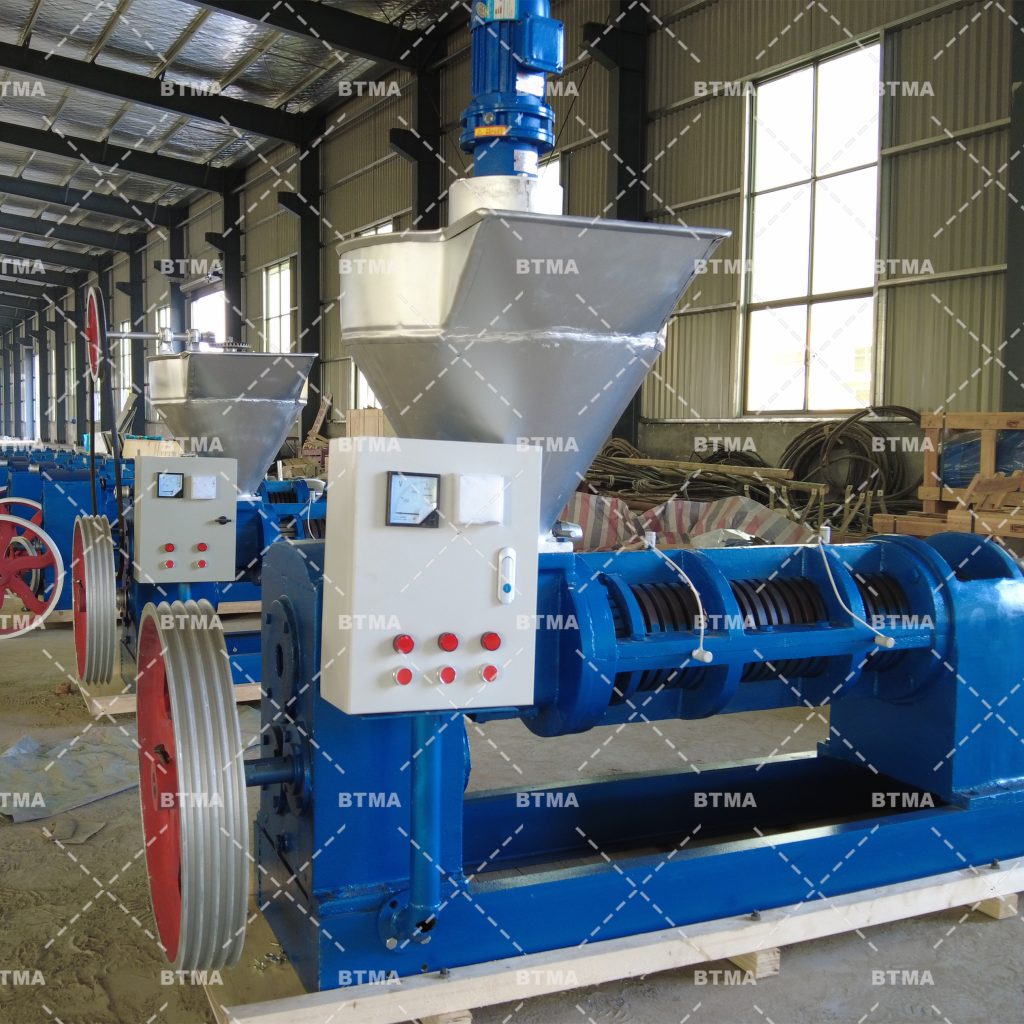
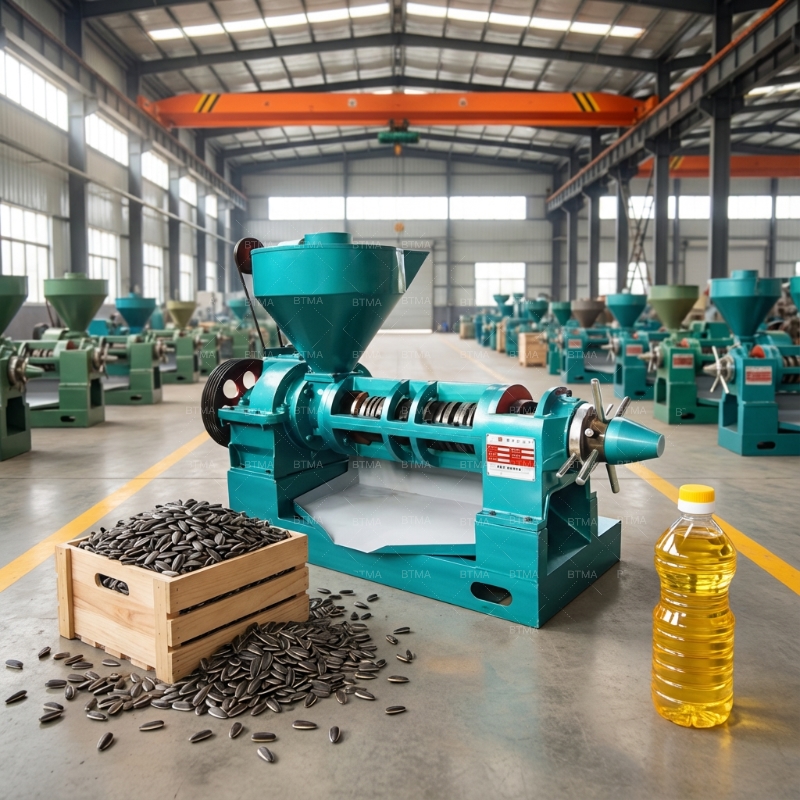
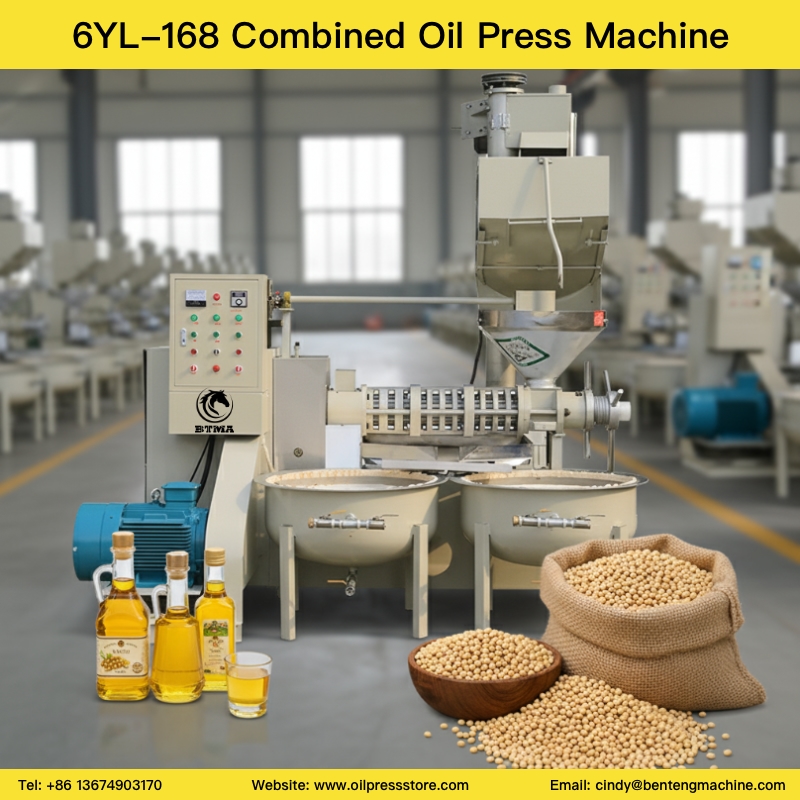
Buyers searching for 6YY-130 combined oil press cooperative buying are usually past the general research stage. They need to know whether the equipment can process their crops, meet daily output targets, keep oil quality consistent, and pay back the investment. The 6YY-130 combined oil press is relevant because it is tied to designed for broad oil crop compatibility and is promoted for more than 30 oil crops including peanuts, rapeseed, sunflower, cottonseed, soybeans. This guide turns those product facts into a practical buying framework.
Why This Topic Matters for Cooperative Buying?
The core purchase question is not simply whether a machine can squeeze oil. The buyer needs a dependable process: material preparation, stable feeding, correct temperature or pressure, clean oil collection, and manageable maintenance. For this use case, the 6YY-130 combined oil press should be evaluated as part of a production plan, not as a standalone catalog item.
A sales conversation should start with the buyer’s expected crop mix and daily tonnage. If the buyer mainly handles more than 30 oil crops including peanuts, rapeseed, sunflower, cottonseed, soybeans, the machine’s strengths around high oil yield, energy saving, strong seasonal adaptability become directly relevant. If the buyer expects future expansion, the article should guide them to compare this model with category alternatives instead of pushing a single answer.
Capacity, Power, and Workflow Fit
The listed specification focus is designed for broad oil crop compatibility. Buyers should translate that into working days, feed rate, labor availability, and expected crude oil storage. A model with strong theoretical output can still underperform if cleaning, roasting, filtering, or bottling cannot keep up.
For cooperative purchasing, the key is to compare real operating hours with the machine’s practical workload. A small shop may value compact operation and simple training, while a commercial processor may prioritize continuous feeding, predictable cake discharge, and fast maintenance access.
- Ask the supplier which raw materials need crushing, roasting, or moisture adjustment before pressing.
- Confirm whether the buyer needs one shift, two shifts, or seasonal high-volume operation.
- Check whether the site has enough power, ventilation, crude oil tanks, and space around the press.
Oil Quality and Customer Value
Oil quality is a conversion driver. Buyers care about clear oil, stable aroma, low sediment, and consistent color because these affect retail confidence and repeat purchases. The 6YY-130 combined oil press should be presented with a realistic explanation of how pressing conditions, seed preparation, and filtration affect the finished oil.
When selling to a buyer focused on more than 30 oil crops including peanuts oil, avoid promising results from the press alone. Explain the complete workflow: clean raw material, controlled moisture, appropriate pressing method, filtration, settling, and packaging. This makes the content more useful for Google SEO because it answers the buyer’s real operating questions.
Common Purchase Objections
Objection 1: The buyer is unsure whether the model is large enough. Answer by converting designed for broad oil crop compatibility into daily production scenarios and comparing it with expected crop volume.
Objection 2: The buyer worries about maintenance. Use the product strengths around high oil yield, energy saving, strong seasonal adaptability and recommend a spare parts plan for screw, cage, filter cloth, seals, bearings, and belts where applicable.
Objection 3: The buyer is comparing press-only equipment with combined systems. If the buyer needs cleaner oil immediately after pressing, emphasize filtration planning. If they already own a filter, explain why a single press may still be the better investment.
How to Turn This Search Into an Inquiry
The article should close by asking the buyer to send raw material, target output, local voltage or diesel preference, desired oil clarity, and workshop photos. That information lets the supplier recommend the 6YY-130 combined oil press or a better-fit related machine without forcing the buyer into a generic quote.
For SEO, the page should use the focus keyword naturally in the title, first paragraph, one subheading, image alt text, and inquiry call-to-action. The internal links should point visitors toward the product page and the category page so they can compare nearby models.
Buyer Checklist
- Confirm target crop mix: more than 30 oil crops including peanuts, rapeseed, sunflower, cottonseed, soybeans.
- Compare output requirement against designed for broad oil crop compatibility.
- Ask whether raw material cleaning, drying, roasting, or crushing is required.
- Decide whether the buyer needs integrated filtration, a separate oil filter, or a full line.
- Prepare voltage, floor space, labor, daily working hours, and packaging goals before requesting a quote.
Conclusion
The 6YY-130 combined oil press can be positioned as a practical answer for buyers researching cooperative buying. A strong SEO article should not only repeat specifications; it should explain how capacity, raw material preparation, oil clarity, maintenance, and upgrade planning affect profit. That is the difference between generic traffic and qualified machinery inquiries.