Is an Oil Press Machine Enough for Complete Oil Production?
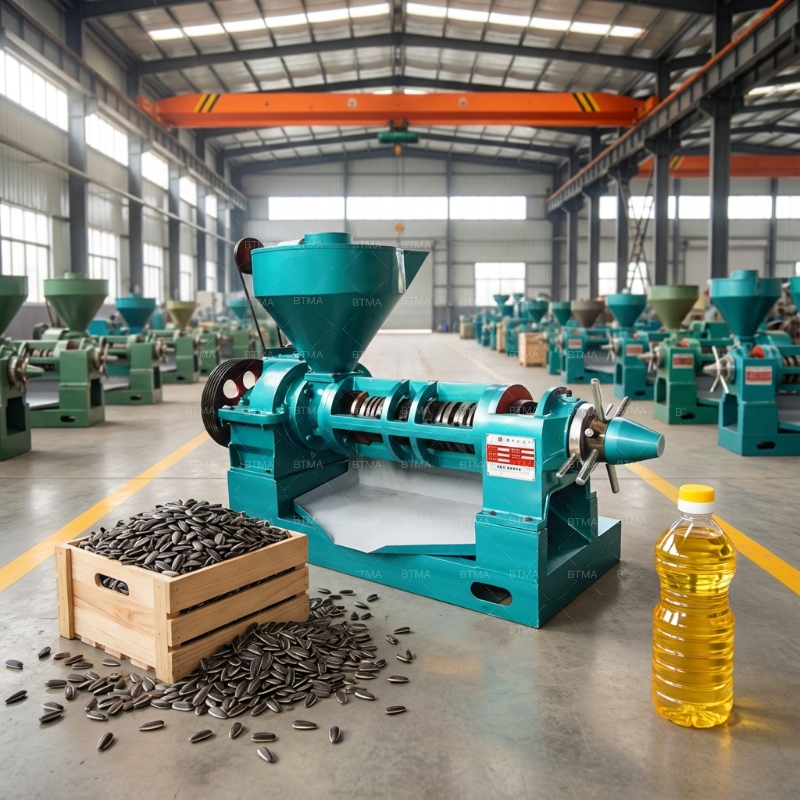
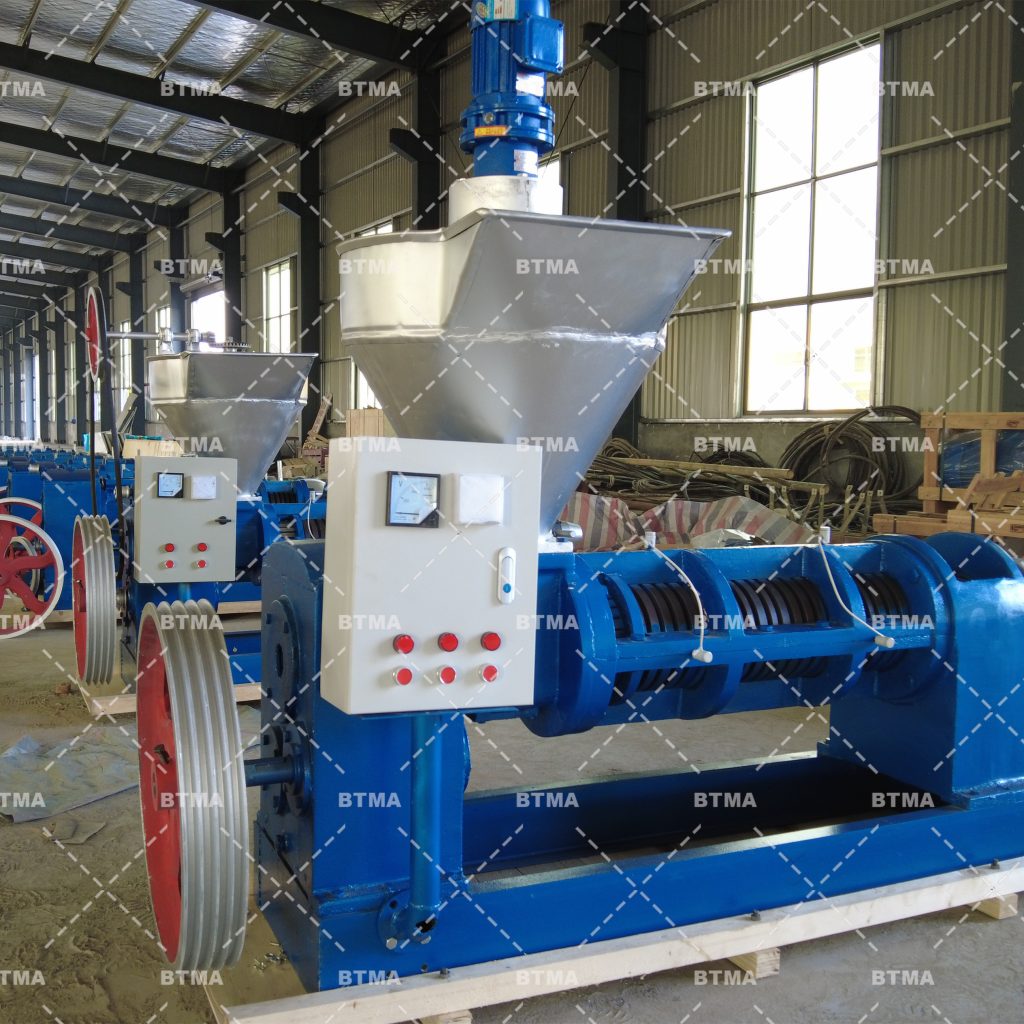
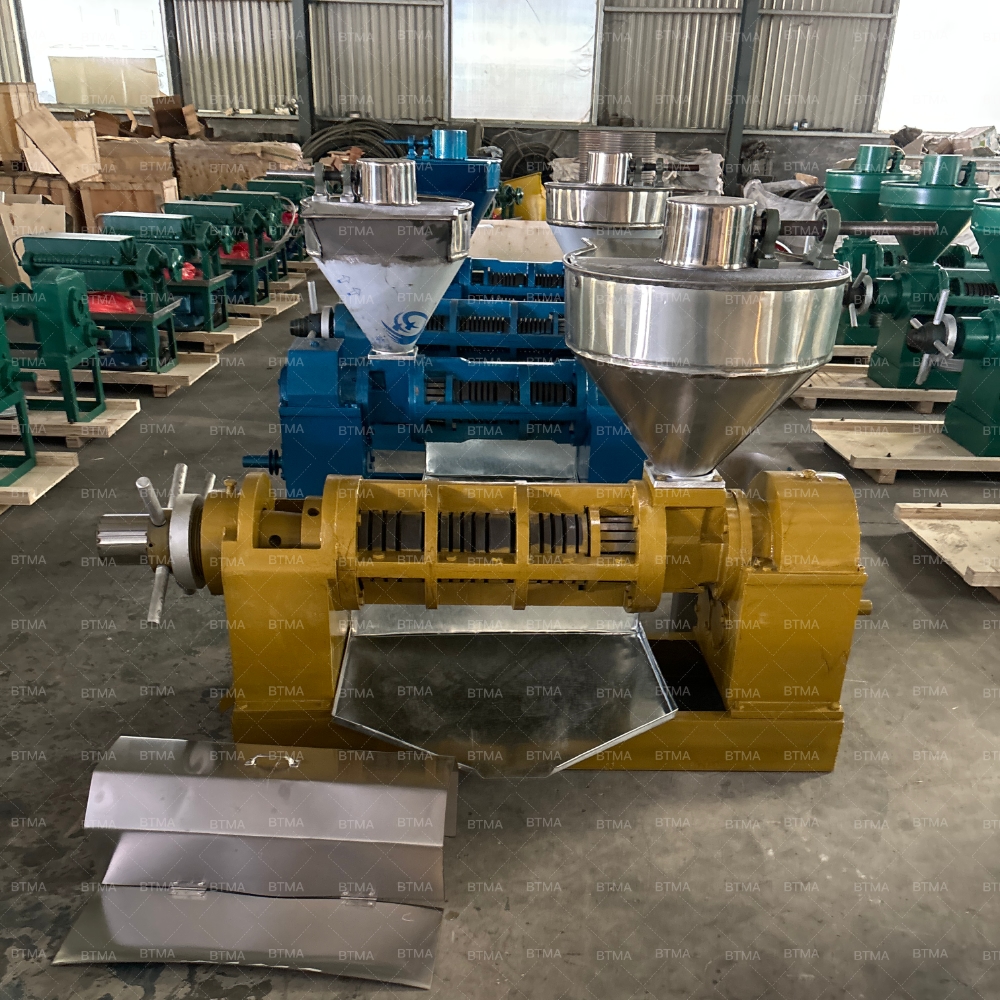
An oil press machine is the core equipment for mechanical oil extraction, but pressing is usually only one stage of a complete edible oil production process.
Freshly extracted crude oil can contain suspended solids and other impurities. Depending on the final product, the oil may need filtration, storage, refining or packaging.
The equipment required after pressing depends on the type of oil, production capacity and final product requirements.
Oil Filtration
Filtration is one of the most common downstream processes.
Fresh crude oil may contain small particles of oil cake and other suspended materials. A suitable oil filter can separate these particles and improve oil clarity.
The filtration method should be selected according to the production capacity and required oil quality.
For small workshops, a compact filtration system may be sufficient. Larger production lines may require higher-capacity filtration equipment.
Oil Storage Tanks
After filtration, the oil normally needs to be stored before further processing or packaging.
Storage tanks provide a controlled place for collecting and holding the oil.
Tank capacity should be matched with production volume. A tank that is too small can interrupt production, while an excessively large tank may increase unnecessary investment.
Oil Transfer Equipment
Pumps or other oil transfer systems may be needed to move oil between the press, filter, storage tank and refining equipment.
The transfer system should be selected according to the characteristics of the oil and the production layout.
A well-planned transfer system can reduce manual handling and make the overall production process smoother.
Oil Refining Equipment
Not every oil producer needs a refining system.
If the business sells filtered crude oil or a minimally processed specialty oil, filtration and storage may be sufficient depending on local regulations and product requirements.
If the goal is to produce refined edible oil, additional processes may be required.
A complete refining system can include stages such as degumming, neutralization, decolorization, dehydration and deodorization depending on the process design.
Packaging Equipment
After filtration or refining, the oil may need to be packaged for retail or commercial sale.
The packaging process can include:
- Bottle filling
- Capping
- Labeling
- Date coding
- Carton packing
Small businesses may perform some of these operations manually, while larger producers may use automated packaging equipment.
What About the Oil Cake?
Oil pressing also produces oil cake.
The cake should not simply be treated as waste without considering its potential value.
Depending on the raw material and local regulations, oil cake can potentially be used as animal feed ingredients, fertilizer or other industrial materials.
The application depends on the crop and whether the cake contains substances that restrict its use.
How Should the Complete System Be Designed?
A typical mechanical oil production workflow can be:
Raw Material Cleaning → Preparation → Oil Pressing → Filtration → Storage → Refining if Required → Packaging
Not every business needs every stage.
For example, a small workshop producing filtered peanut oil may only need cleaning, pressing, filtration and storage.
A larger commercial edible oil producer may need a more complete system including refining and automated packaging.
Why Should Equipment Capacity Be Matched?
A oil production line works as a connected system.
If the oil press is too large compared with the filter, filtration becomes a bottleneck.
If the filter is too large compared with the press, part of the filtration capacity may remain unused.
The same principle applies to storage tanks and packaging equipment.
For this reason, production capacity should be planned across the entire line rather than one machine at a time.
Conclusion
An oil press machine is the central extraction unit, but additional equipment may be needed depending on the desired final product.
Filtration, storage, transfer, refining and packaging are common downstream processes.
Before purchasing equipment, define the final oil product and daily production target first. Then build the equipment configuration around the complete workflow.