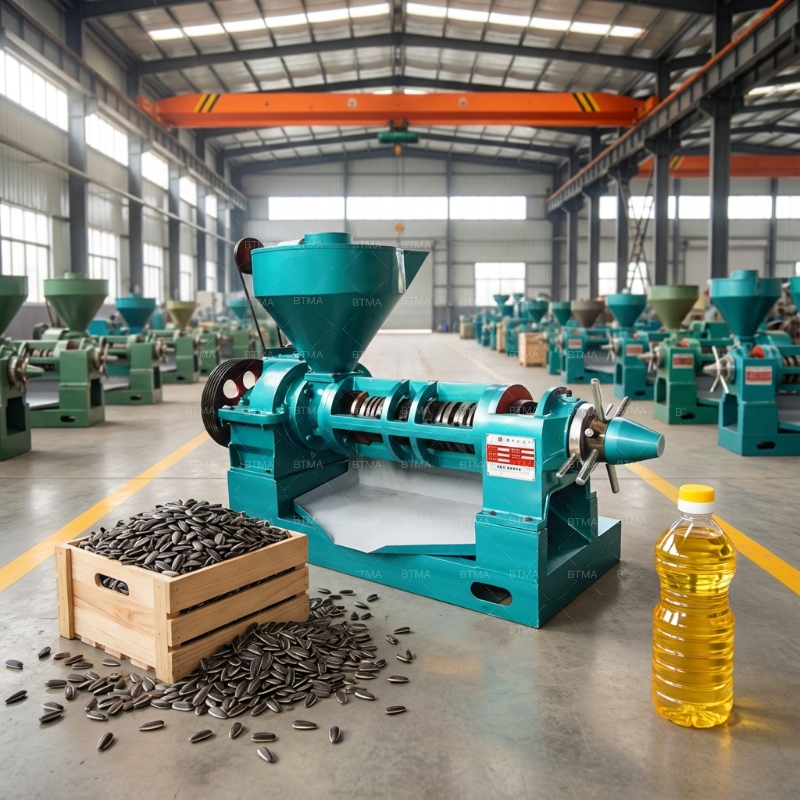
The color of freshly pressed vegetable oil can vary from one batch to another. Some oils appear pale yellow, while others may be golden, greenish, or deep orange-red, depending on the raw material and the compounds naturally present in it.
However, an unexpected color change can also indicate differences in raw material quality, processing conditions, storage, or contamination. For oil processing businesses, understanding the reason behind the change is important before making adjustments to the equipment or production process.
Oil color alone cannot determine whether a product is safe or suitable for sale. It should be considered alongside odor, processing records, and appropriate quality tests.
Natural Pigments in Different Oilseeds
Different oil-bearing materials contain different natural pigments, which influence the appearance of the extracted oil. For example, crude palm fruit oil typically has a deep orange-red color because it contains carotenoid pigments.
Sunflower oil and soybean oil may appear yellow or golden, while the color of other vegetable oils varies with the raw material and processing method. These differences do not necessarily indicate a problem with the oil press machine.
When evaluating color, compare batches made from the same type of raw material under similar conditions. Comparing unrelated oils can lead to incorrect conclusions about processing quality.
How Raw Material Quality Affects Oil Color?
The condition of the raw material can influence the appearance of the extracted oil. Differences in seed variety, maturity, storage, moisture, and impurities may lead to changes between production batches.
Seeds stored under unsuitable conditions may deteriorate and develop abnormal odors or other quality defects. Contaminants can also affect the appearance of the oil and create problems that ordinary filtration cannot resolve.
To maintain consistency, inspect raw materials before pressing and record the source and condition of each batch. If an unexpected color change occurs, checking the raw material is a useful first step.
How Pressing Conditions Influence Oil Color?
The pressing process can affect the appearance of the extracted oil. Temperature, preparation method, and the condition of the pressing equipment may influence the amount of fine particles and other compounds entering the crude oil.
For example, excessive heating or inconsistent preparation may alter the characteristics of some oils. Fine solid particles suspended in the oil can also make it appear darker or cloudier than a more thoroughly filtered sample.
Do not change machine settings based on color alone. Check the raw material, operating conditions, and filtration performance together to identify the likely cause.
Can Oil Filtration Make Vegetable Oil Lighter?
Oil filtration can remove suspended particles that contribute to cloudiness or a darker appearance. A suitable plate and frame oil filter may improve clarity by retaining solid impurities on the filter cloth.
However, filtration does not necessarily remove dissolved pigments or correct deterioration caused by poor raw material quality. The result depends on the oil, the filtration medium, and the characteristics of the unwanted material.
If the goal is to change the oil’s natural color beyond what ordinary filtration can achieve, additional processing may be required. Any treatment should be selected according to the oil type and the intended product specification.
What to Check When Oil Color Changes Unexpectedly?
If the oil suddenly looks different from previous batches, review the production process systematically.
-
Raw materials: Check whether the seed type, source, quality, or storage condition has changed.
-
Machine operation: Review pressing temperature, feeding conditions, and any recent adjustments.
-
Filtration: Inspect the filter cloth, filtration procedure, and possible accumulation of solid residue.
-
Storage: Check the container cleanliness and whether the oil has been exposed to unsuitable storage conditions.
-
Quality testing: If the color change is accompanied by an unusual odor or other warning signs, assess the batch before further processing or sale.
This approach is more reliable than assuming that the pressing machine is responsible for every color variation.
How to Maintain Consistent Oil Appearance?
Consistency starts with using suitable raw materials and following a repeatable production process. Keep records of the seed type, preparation method, pressing conditions, and filtration procedure so that differences between batches can be investigated.
Clean the machine and filtration equipment according to the manufacturer’s instructions. Use suitable storage containers and avoid mixing batches without confirming that they meet the required quality specifications.
For commercial edible oil production, establish appropriate product specifications and quality-control procedures. Color measurements can be useful, but they should not replace other relevant quality and food safety tests.
Conclusion
The color of pressed vegetable oil is influenced by natural pigments, raw material quality, pressing conditions, filtration, and storage. Some color differences are normal, while unexpected changes may require further investigation.
A suitable oil press machine and filter can help maintain consistent processing conditions, but they cannot correct every raw material or oil quality problem. By checking each stage systematically, oil processing businesses can better understand color variations and maintain more consistent product quality.