What Is the Difference Between a Single and Combined Oil Press?
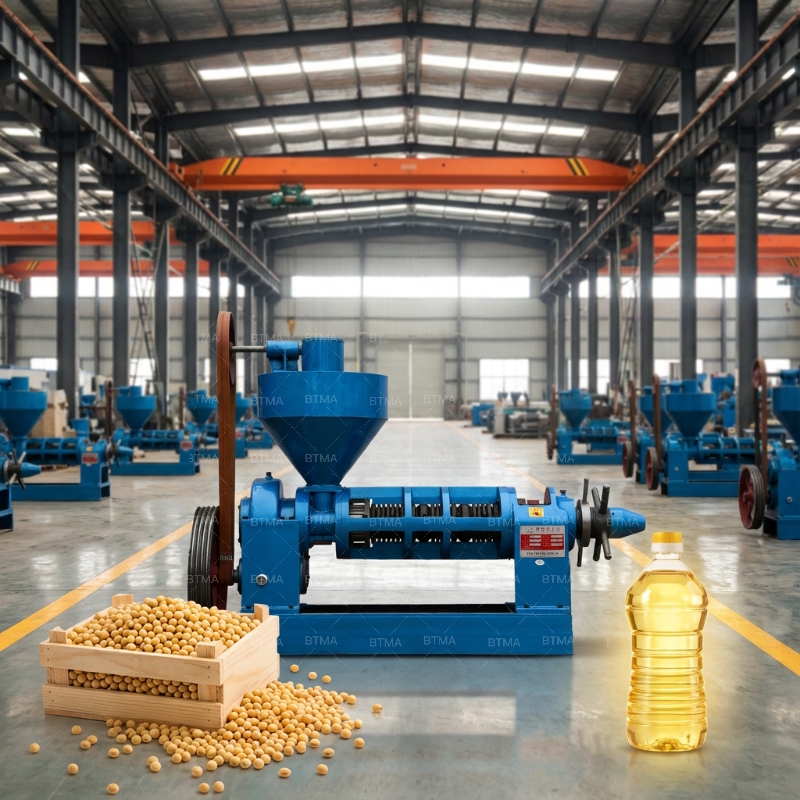
When planning an edible oil processing business, one of the first equipment decisions is whether to purchase a single oil press machine or a combined oil press machine. Both systems use mechanical pressing to extract oil from oil-bearing seeds, but their production configurations are different.
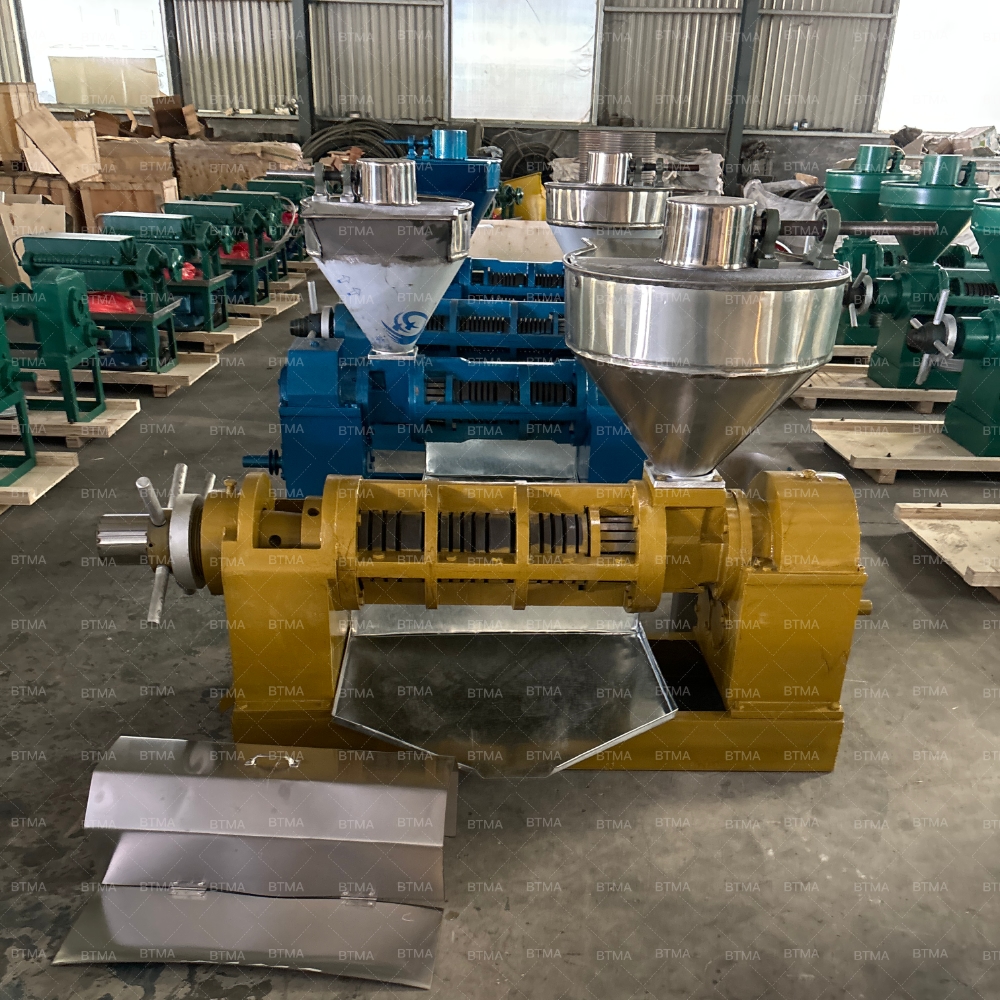
A single oil press is mainly designed for the pressing process. The extracted crude oil can then be transferred to separate filtration equipment. A combined oil press integrates pressing with additional functions such as heating and oil filtration, depending on the model. This creates a more compact processing system for businesses that want several processes in one machine.
The better choice depends on production volume, available workshop space, oil quality requirements, existing equipment, and the desired production workflow.
When Is a Single Oil Press a Practical Choice?
A single oil press can be suitable when pressing is the main equipment requirement and the producer already has filtration or other downstream equipment.
For example, an oil mill may already own a plate-and-frame filter, oil tank, or other filtration system. In this situation, purchasing another integrated filtration system may not be necessary. A single screw oil press can perform the extraction while the existing equipment handles the next stage.
A separate configuration can also make equipment replacement easier. If the filtration system needs to be upgraded later, the press and filtration equipment can be modified independently.
What Are the Advantages of a Combined Oil Press?
A combined oil press integrates more functions into one machine. Depending on the model, the system may include pressing, electric heating, and vacuum filtration.
This configuration can simplify the production workflow because the crude oil does not always need to be transferred between separate machines immediately after pressing.
Combined machines can also be useful when workshop space is limited. Instead of installing several independent machines, the producer can use one integrated unit to reduce the footprint of the pressing and initial filtration section.
The current BTMA product range includes combined models with integrated pressing, heating, and vacuum filtration functions.
How Does Filtration Affect the Choice?
Freshly pressed oil normally contains suspended solid particles. Therefore, filtration is an important part of many edible oil production processes.
With a single oil press, filtration can be arranged as a separate process. This gives the producer more flexibility in selecting filtration capacity.
With a combined oil press, filtration is integrated into the machine configuration. This can make the overall process more compact and convenient for smaller workshops.
The important question is therefore not simply whether filtration is included, but whether the filtration capacity matches the amount of oil produced by the press.
Which Option Is Easier to Expand?
A single oil press with separate downstream equipment can offer flexibility when a business expects significant future expansion.
For example, a producer can initially install one press and a suitable filter. If production increases later, additional filtration tanks or larger filtration equipment can be added without replacing the entire pressing machine.
A combined machine may be more convenient for a business that wants a relatively complete processing unit from the beginning.
How Should You Compare the Total Investment?
The purchase price of the machine is only one part of the investment.
For a single oil press, the complete setup may include:
- Oil press machine
- Oil filter
- Oil storage tank
- Seed preparation equipment
- Oil transfer equipment
A combined oil press may reduce the number of separate machines required in the initial setup.
Therefore, buyers should compare the cost of the complete production system, rather than comparing only the price of two individual oil presses.
Which One Should You Choose?
There is no universal answer because different oil businesses have different production requirements.
A single oil press may be suitable when you already have filtration equipment, want flexible system expansion, or prefer to purchase pressing and filtration equipment separately.
A combined oil press may be more suitable when you want a compact system with pressing, heating, and filtration functions integrated into one machine.
Before making a decision, consider your raw material supply, target hourly capacity, oil quality requirements, workshop space, available power supply, and future expansion plans.
The right choice is the configuration that fits the complete production process rather than simply the machine with the largest capacity.