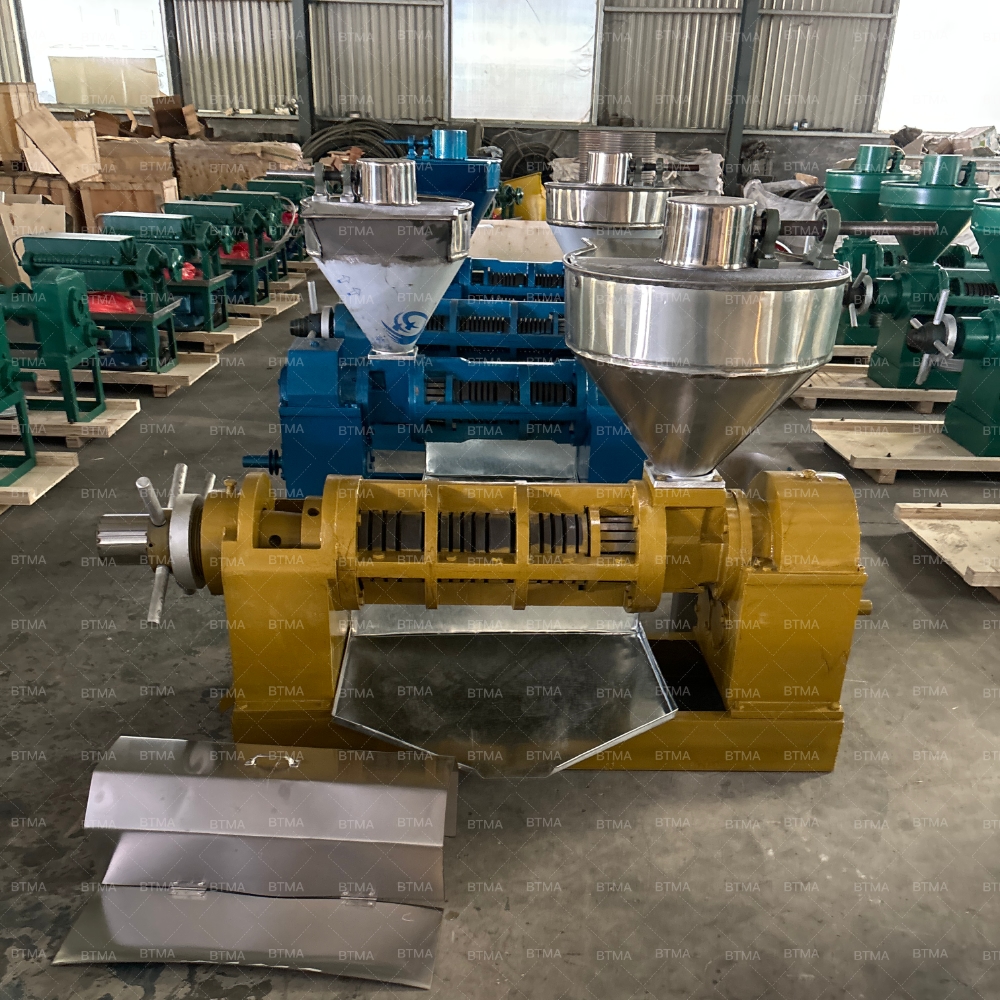
Spare parts play an important role in keeping an oil press machine operating reliably. During pressing, some components are exposed to continuous friction, pressure, heat, and contact with raw materials, so their condition can gradually change over time.
Understanding the function of key components helps operators recognize when inspection or replacement may be necessary. It also makes it easier for businesses to prepare suitable spare parts and reduce unexpected production interruptions.
The exact component design varies by machine model, so parts should always be identified using the manufacturer’s drawings, model information, and specifications.
The Screw Shaft: The Core Pressing Component
The screw shaft moves raw material through the pressing chamber and generates the compression needed to separate oil from the solid material. Its shape and dimensions are designed for a particular machine configuration and application.
Over time, contact with oilseeds and other materials can wear the screw flights and alter pressing performance. Possible warning signs include changes in output, inconsistent cake discharge, or a decline in extraction efficiency, although these symptoms can also have other causes.
Inspect the screw shaft according to the manufacturer’s maintenance schedule. When replacement is necessary, use a compatible part designed for the exact machine model rather than selecting a component based only on appearance.
The Pressing Chamber and Related Components
The pressing chamber contains and guides the material as the screw shaft compresses it. Depending on the machine design, the chamber may consist of several removable components that work together to create the required pressing conditions.
Wear or damage in these components can affect material movement and pressure distribution. If the machine begins operating differently, check the chamber and related parts along with the screw shaft and raw material preparation.
Because these components must fit and work together correctly, replacement should follow the manufacturer’s specifications. Incorrect dimensions or assembly can cause poor performance or mechanical damage.
Bearings and Transmission Components
Bearings support rotating shafts and help maintain smooth movement. The gearbox, gears, belts, or couplings transfer power from the motor to the pressing system, depending on the machine design.
Unusual noise, vibration, overheating, or visible damage may indicate a problem in the transmission or bearing system. However, these signs do not always mean that a particular component has failed; the cause should be identified before parts are replaced.
Follow the recommended lubrication and inspection schedule. Correct maintenance helps reduce unnecessary wear and can prevent a small mechanical issue from developing into a larger failure.
Seals, Fasteners, and Other Supporting Parts
Smaller components can also affect machine reliability. Seals help prevent leakage where applicable, while bolts and fasteners keep machine assemblies secured in their intended positions.
Inspect these parts during routine maintenance and replace damaged or unsuitable components as needed. Use the correct type and specification rather than substituting parts without confirming compatibility.
Keeping a record of replacement dates and observed wear can help operators anticipate future maintenance and plan spare-part purchases.
How to Choose Compatible Spare Parts?
Before ordering spare parts, confirm the machine model, component name, dimensions where specified, and any relevant part number. Photos can help with identification, but they should be checked against the manufacturer’s information.
When purchasing parts, consider the material, manufacturing quality, compatibility, and supplier support. A low-priced part may not provide good value if it wears quickly or causes damage to other components.
For businesses that depend on continuous production, keeping a small inventory of essential model-specific wear parts may help reduce downtime. The appropriate inventory depends on machine usage, lead times, and the supplier’s availability.
When Should Spare Parts Be Replaced?
There is no universal replacement interval for every oil press component. Service life depends on the machine model, the type and cleanliness of raw materials, operating hours, maintenance, and working conditions.
Use the manufacturer’s inspection criteria and replacement recommendations as the primary guide. If performance changes or visible damage appears, inspect the machine before deciding whether replacement is necessary.
Replacing parts based only on a fixed calendar schedule may waste usable components, while delaying replacement after significant wear can cause larger problems. Condition-based inspection is therefore an important part of equipment management.
Conclusion
Oil press machine spare parts work together to maintain stable pressing performance. The screw shaft and pressing chamber directly influence material compression, while bearings, transmission components, seals, and fasteners support safe and reliable operation.
Correct identification, regular inspection, and compatible replacement parts help reduce unexpected downtime. Always confirm model compatibility and follow the manufacturer’s instructions when servicing an oil press machine.