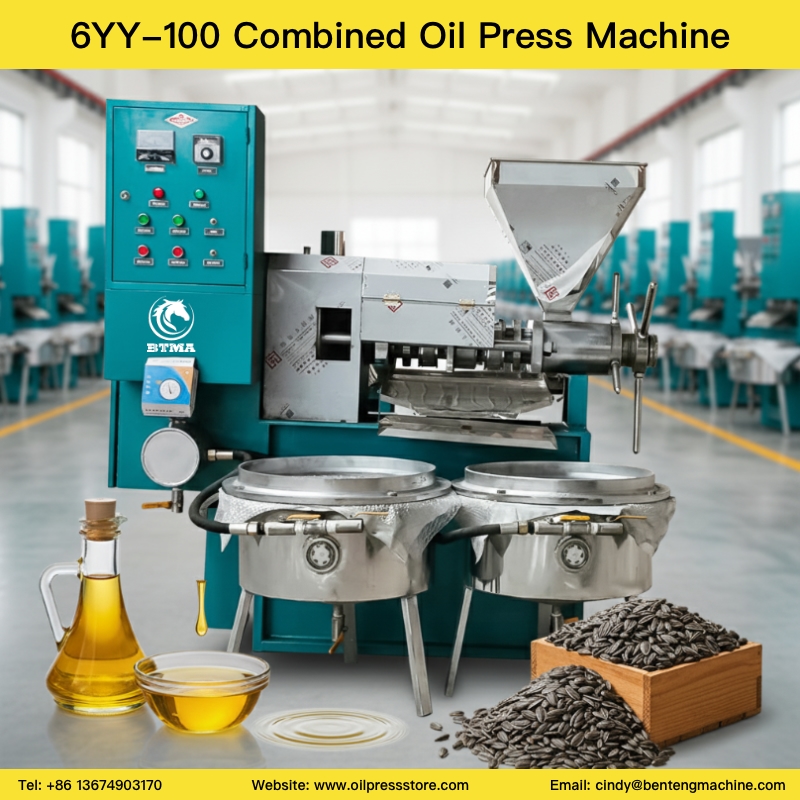
Operating a screw oil press machine correctly is just as important as choosing the right machine. Even a high-quality oil press may experience unstable oil output, excessive oil in the press cake, clogging, or abnormal noise if the machine is started incorrectly or the raw material is fed too quickly.
For customers who are new to mechanical oil extraction, understanding the correct operating sequence can help improve production stability, reduce unnecessary downtime, and extend the service life of important wearing parts.
1. Check the Oil Press Machine Before Starting
Before every production cycle, inspect the machine carefully. Make sure the pressing chamber, feeding hopper, discharge outlet, transmission system, and safety guards are properly installed.
Check the lubrication points and make sure the required lubricant is available. Loose bolts, abnormal gaps, damaged wires, or unusual oil leakage should be addressed before starting production.
It is also important to make sure the raw material is clean. Stones, metal pieces, hard foreign objects, and excessive dirt can accelerate wear or even damage the screw shaft and pressing chamber.
2. Prepare the Oilseeds Properly
The condition of the raw material has a major influence on oil extraction performance. Oilseeds should normally be cleaned before entering the press.
Depending on the type of seed, pretreatment may include cleaning, shelling, crushing, heating, or moisture adjustment.
Do not assume that feeding more raw material will always increase production. If the material is too wet, too dry, too large, or contains excessive impurities, the oil press may become overloaded or produce unstable cake.
For commercial production, operators should establish a consistent raw material preparation process instead of changing feed conditions randomly.
3. Start the Machine Before Feeding
Start the oil press without immediately filling the hopper with a large amount of raw material.
Allow the machine to reach its normal operating condition according to the manufacturer’s operating instructions. Listen for abnormal knocking, scraping, or unusual vibration.
If the machine runs smoothly, begin feeding gradually.
Starting with a small amount of material gives the operator time to observe the oil flow and cake discharge before the machine reaches full production.
4. Feed the Material Steadily
One of the most common operating mistakes is unstable feeding.
Adding a large amount of material suddenly can increase the load on the screw shaft and motor. Feeding too slowly may also prevent the pressing chamber from maintaining stable pressure.
A steady and appropriate feed rate is generally better than repeatedly starting and stopping the feeding process.
The operator should observe the oil flow, press cake, motor sound, and machine vibration at the same time.
5. Observe the Press Cake
The press cake is an important indicator of the working condition of a screw oil press.
If the cake suddenly becomes much wetter than normal, the cause may be related to feed conditions, pressing pressure, screw wear, or other operating parameters.
If the cake becomes unusually thin or the machine begins to experience excessive resistance, production should not simply continue at a higher feed rate.
Instead, stop and identify the cause.
6. Monitor Oil Output
Oil output should remain relatively stable when raw material and operating conditions are consistent.
A sudden reduction in oil output can be caused by several factors, including improper raw material preparation, blocked pressing gaps, worn pressing components, unstable feeding, or unsuitable operating conditions.
Do not immediately adjust the pressure mechanism whenever oil output decreases. First determine whether the problem is caused by the raw material or the machine.
7. Avoid Running the Machine Empty for Too Long
Although an empty test run can be useful before production, prolonged operation without suitable material may increase unnecessary wear.
Follow the manufacturer’s recommended startup and shutdown procedure.
After production is finished, do not simply switch off the machine while a large quantity of material remains inside the pressing chamber.
The remaining material can harden and make the next startup more difficult.
8. Clean the Machine After Production
Cleaning is one of the most important parts of oil press machine operation.
Oil residue and press cake can accumulate around the pressing chamber, discharge area, hopper, and oil outlet. If these residues remain for a long time, they may harden and cause blockage during the next production cycle.
Clean the parts that come into contact with oilseeds and oil after production.
9. Keep an Operating Record
For commercial oil production, operators can record the raw material type, approximate feed rate, operating time, oil output, press cake condition, and unusual machine behavior.
This simple record can become very useful when troubleshooting.
If oil output decreases several weeks later, the operator can compare the current operating condition with previous production records instead of relying only on memory.
Final Tips for Stable Oil Press Operation
A screw oil press machine works best when the entire process is controlled consistently.
Clean raw materials, appropriate pretreatment, stable feeding, correct operation, regular cleaning, and timely inspection of wearing parts all contribute to reliable oil production.
The goal is not simply to make the machine run faster. The goal is to maintain a stable balance between feed material, pressing conditions, oil output, cake discharge, and machine load.
For customers planning an oil pressing business, choosing the correct machine capacity and matching it with suitable raw material preparation and filtration equipment is equally important.