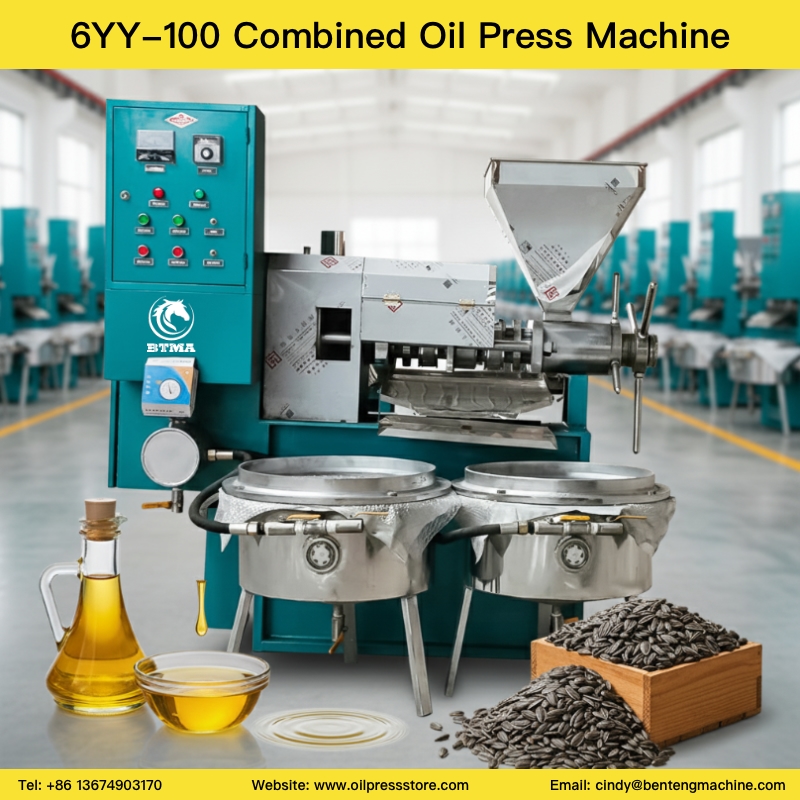
An oil press machine contains moving mechanical components and may operate with hot materials, electrical power, or high mechanical loads. Safe operation is therefore essential for protecting workers, preventing equipment damage, and maintaining consistent production.
Safety should be considered before the machine is installed and throughout daily operation. Operators need to understand the machine’s controls, moving parts, emergency stopping method, and maintenance procedures before beginning work.
The following practices provide a general framework. Always follow the specific operating manual and applicable local workplace safety requirements for the machine being used.
Check the Machine Before Starting
Before each operating shift, inspect the machine and surrounding area for visible problems. Check that guards are in place, the machine is stable, and the feeding and discharge areas are free from obstructions.
Electrical cables, switches, connections, and other safety-related components should be checked according to the manufacturer’s instructions. If the machine has loose parts, damaged guards, unusual leakage, or other visible defects, do not operate it until the issue has been assessed and corrected.
A simple pre-start checklist helps operators identify problems before they become more serious.
Keep Hands Away From Moving Components
The screw shaft, feeding mechanism, transmission system, and other moving components can cause serious injuries. Never place hands or tools into the feeding inlet or pressing area while the machine is operating.
Do not remove protective guards to speed up production. If material becomes blocked, stop the machine using the prescribed procedure and isolate the energy sources before attempting to clear the obstruction.
Only trained personnel should carry out adjustments or interventions that expose moving parts. Use the tools and procedures specified by the manufacturer.
Follow Electrical and Heat Safety Procedures
Electric oil press machines should be installed with suitable electrical protection and grounding as required by the manufacturer and local regulations. Operators should not use damaged cables or attempt electrical repairs without the appropriate qualifications.
Some oil pressing processes involve heated raw materials or hot machine surfaces. Use suitable protective equipment where required, and keep combustible materials away from heat sources.
If a machine overheats, produces an unusual smell, or shows signs of electrical malfunction, stop operation safely and have the problem investigated before restarting.
Feed Raw Materials at the Correct Rate
Feeding too much material too quickly can overload the machine and cause unstable operation. Excessive feeding may lead to blockage, increased motor load, or unexpected changes in the pressing process.
Follow the manufacturer’s operating instructions and maintain a consistent feeding rate appropriate for the raw material and machine model. Remove stones and other hard foreign objects during raw material preparation to reduce the risk of damage.
Never attempt to force material into a blocked machine while it is running.
Shut Down the Machine Before Maintenance
Cleaning, lubrication, inspection, and replacement of worn parts should be performed only under the prescribed safe shutdown procedure. Stopping the machine with its normal control may not be sufficient if unexpected movement or restart remains possible.
Before maintenance, isolate the relevant energy sources and apply the workplace’s lockout procedures where required. Allow hot components to cool to a safe temperature and verify that moving parts have stopped before beginning work.
Maintenance should be carried out by trained personnel using appropriate tools and protective equipment.
Keep the Working Area Clean and Organized
Oil spills, loose materials, and accumulated residue can create slipping hazards and interfere with safe operation. Clean spills promptly using suitable procedures and keep walkways clear of tools, containers, and raw materials.
Make sure operators can reach the emergency stop and other essential controls without obstruction. Adequate lighting and clear communication also help reduce the risk of mistakes during busy production periods.
Train Operators and Keep Safety Records
Every operator should understand the oil press machine‘s normal operating sounds, controls, rated capacity, and shutdown procedure. Training should also cover what to do if the machine becomes blocked, overheats, or develops an unusual noise.
Keep records of training, inspections, maintenance, and reported incidents. These records help identify recurring problems and support consistent working procedures across different shifts.
Conclusion
Safe operation of an oil press machine depends on correct installation, operator training, protective guards, controlled feeding, and proper shutdown before maintenance. Workers should never bypass safety devices or attempt to clear blockages while moving parts are active.
A clear safety procedure protects both workers and equipment while supporting more reliable production. Always use the machine-specific manual and applicable workplace safety rules as the primary reference.