What Is the Difference Between Cold Pressing and Hot Pressing?
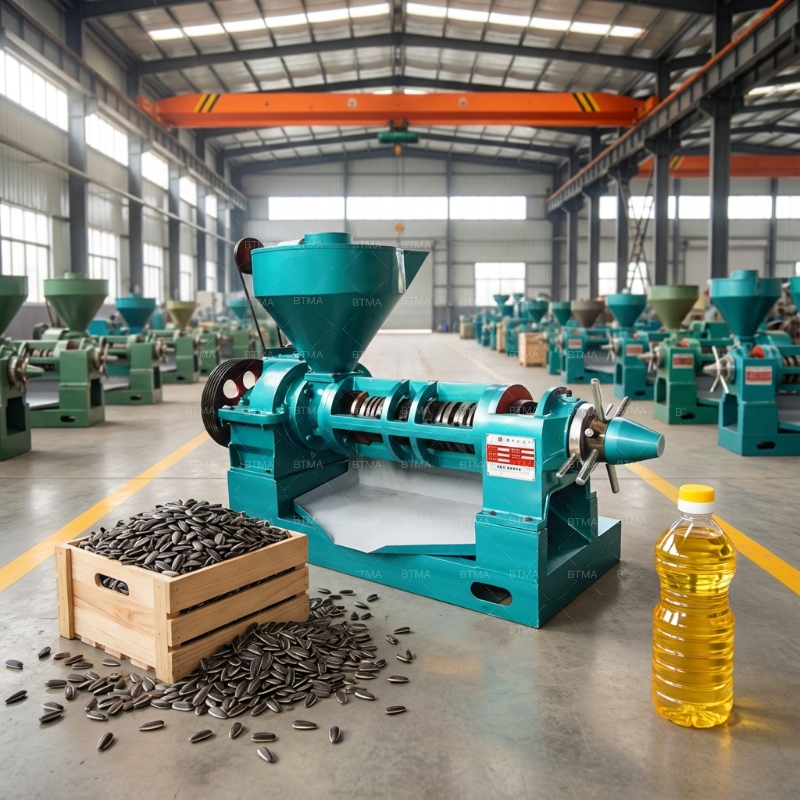
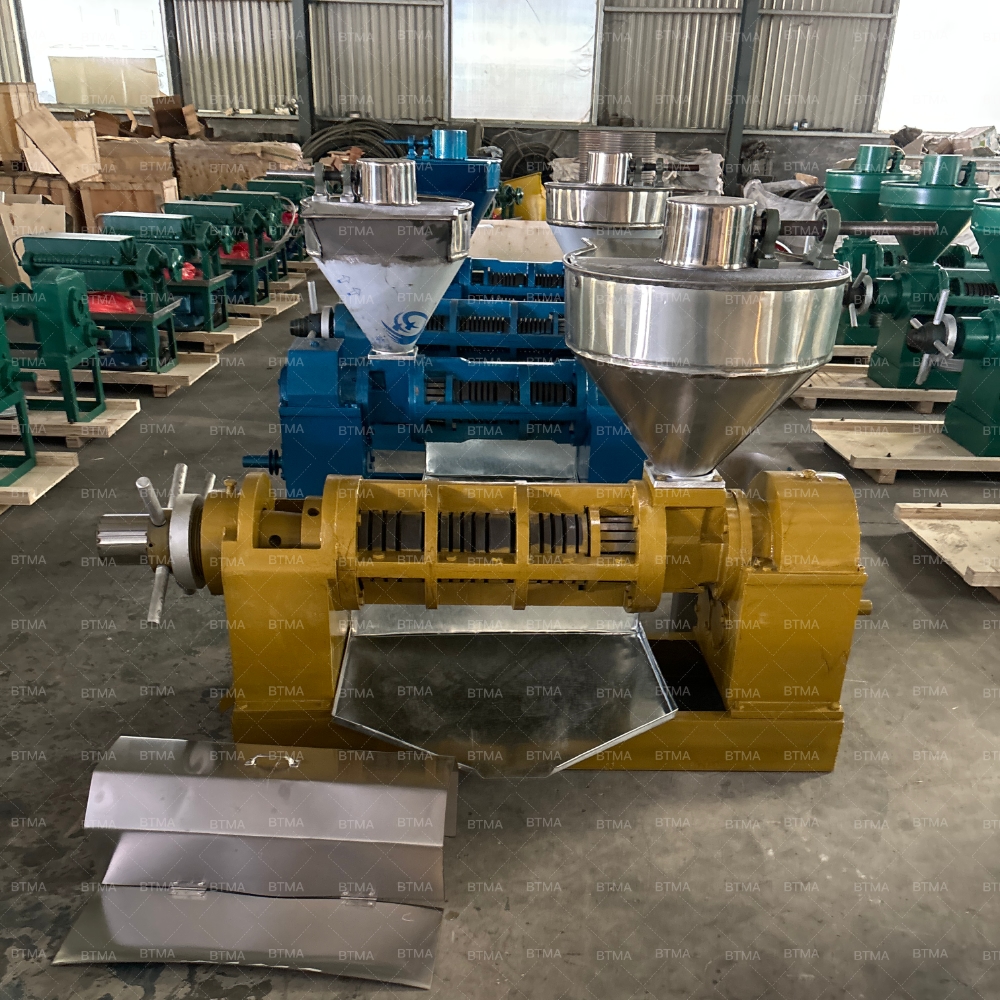
Cold pressing and hot pressing are two common mechanical oil extraction methods. Both can use screw oil presses or hydraulic oil presses, but the preparation and processing conditions are different.
Cold pressing generally aims to limit additional heating during oil extraction. It is often associated with specialty oils where producers want to maintain the natural characteristics of the raw material.
Hot pressing involves heating or conditioning the oilseed before or during pressing. Proper heating can improve oil release from certain materials and may help increase practical extraction efficiency.
Neither method is automatically suitable for every oilseed. The appropriate process depends on the characteristics of the raw material and the requirements of the final oil product.
How Does Cold Pressing Work?
In a cold pressing process, cleaned and properly prepared oilseeds are fed into the oil press without intentionally applying high-temperature conditioning as part of the process.
The screw or hydraulic system applies mechanical pressure to separate oil from the solid material.
The extracted oil can then be filtered to remove suspended particles.
Cold pressing can be attractive for businesses producing specialty oils, premium oils, or oils marketed around their natural characteristics.
How Does Hot Pressing Work?
Hot pressing uses controlled heating as part of raw material preparation or the pressing process.
Heating can soften certain oilseeds and change their physical properties. This can make oil separation easier for suitable materials.
However, increasing temperature indefinitely is not a solution for improving oil extraction. Excessive heating can negatively affect oil quality and may not provide a corresponding improvement in yield.
For this reason, temperature should be controlled according to the raw material and production objective.
Which Oilseeds Can Be Cold Pressed?
Cold pressing can be used for many oil-bearing seeds and nuts, depending on the equipment and process configuration.
Common examples include peanuts, sunflower seeds, sesame, walnuts, almonds, rapeseed and other suitable oilseeds.
Hydraulic oil presses are particularly common in specialty oil applications involving materials such as sesame, walnuts, almonds and other high-value seeds and nuts.
Does Hot Pressing Always Produce More Oil?
Not necessarily.
Oil yield depends on many factors, including:
- Oil content of the seed
- Moisture level
- Seed variety
- Cleaning
- Crushing or conditioning
- Pressing pressure
- Temperature
- Feeding stability
- Machine adjustment
Hot pressing can improve oil release for some raw materials, but the final result depends on the complete process.
A poorly prepared raw material may still produce unsatisfactory results even when a higher temperature is used.
Which Method Is Better for Commercial Production?
The answer depends on the type of business.
A commercial producer selling specialty sesame, walnut or similar premium oils may prefer a controlled cold-pressing process.
A producer focused on higher processing efficiency may use hot pressing for oilseeds that benefit from heating or conditioning.
Some oil processing businesses may even use different methods for different raw materials rather than using one process for every crop.
How Does Filtration Fit Into Both Processes?
Both cold-pressed and hot-pressed oil can contain suspended particles immediately after extraction.
Filtration can therefore be an important downstream step regardless of the pressing method.
The filtration system should be selected according to the amount of oil produced and the required final clarity.
For larger production systems, pressing and filtration capacity should be planned together so that filtration does not become a bottleneck.
How Should a Buyer Choose?
Before choosing between cold pressing and hot pressing, consider the following questions:
What raw material will you process?
What type of oil do you want to produce?
Is the product positioned as a specialty or premium oil?
What daily production volume do you need?
Will the oil be filtered immediately after pressing?
Do you need a screw oil press, hydraulic oil press, or a combination of equipment?
Answering these questions first makes it easier to select the appropriate oil extraction process.
Conclusion
Cold pressing and hot pressing are not competing methods where one is always better.
Cold pressing can be suitable for specialty oil production, while hot pressing can provide useful processing advantages for suitable oilseeds. The final choice should be based on raw material characteristics, production capacity, oil quality requirements, and the complete processing workflow.
A properly prepared raw material and stable operating process are often just as important as the choice between cold and hot pressing.