How Much Oilseed Does a Small Oil Mill Need to Process?
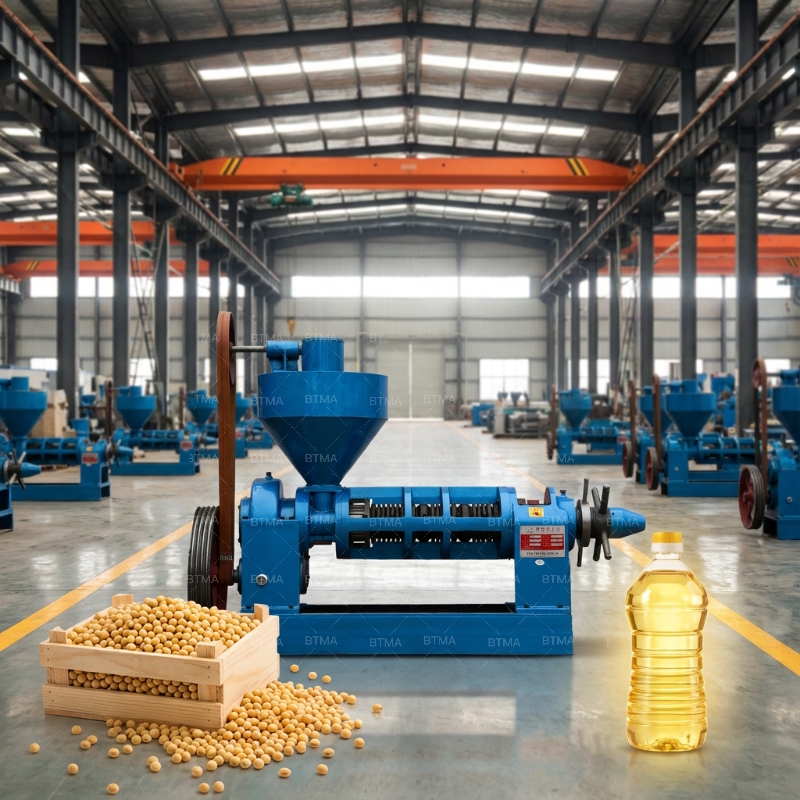
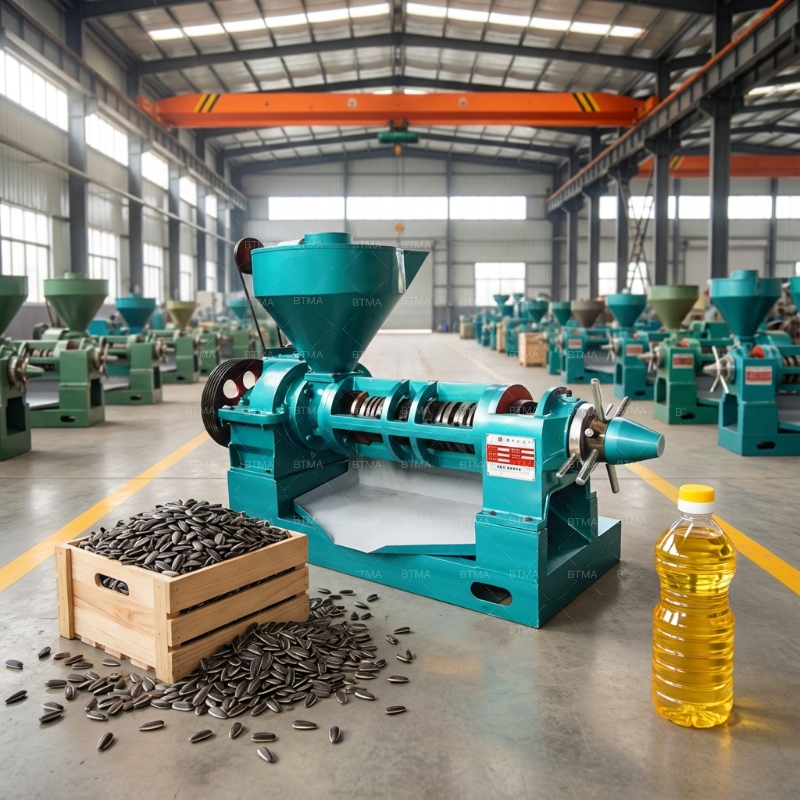
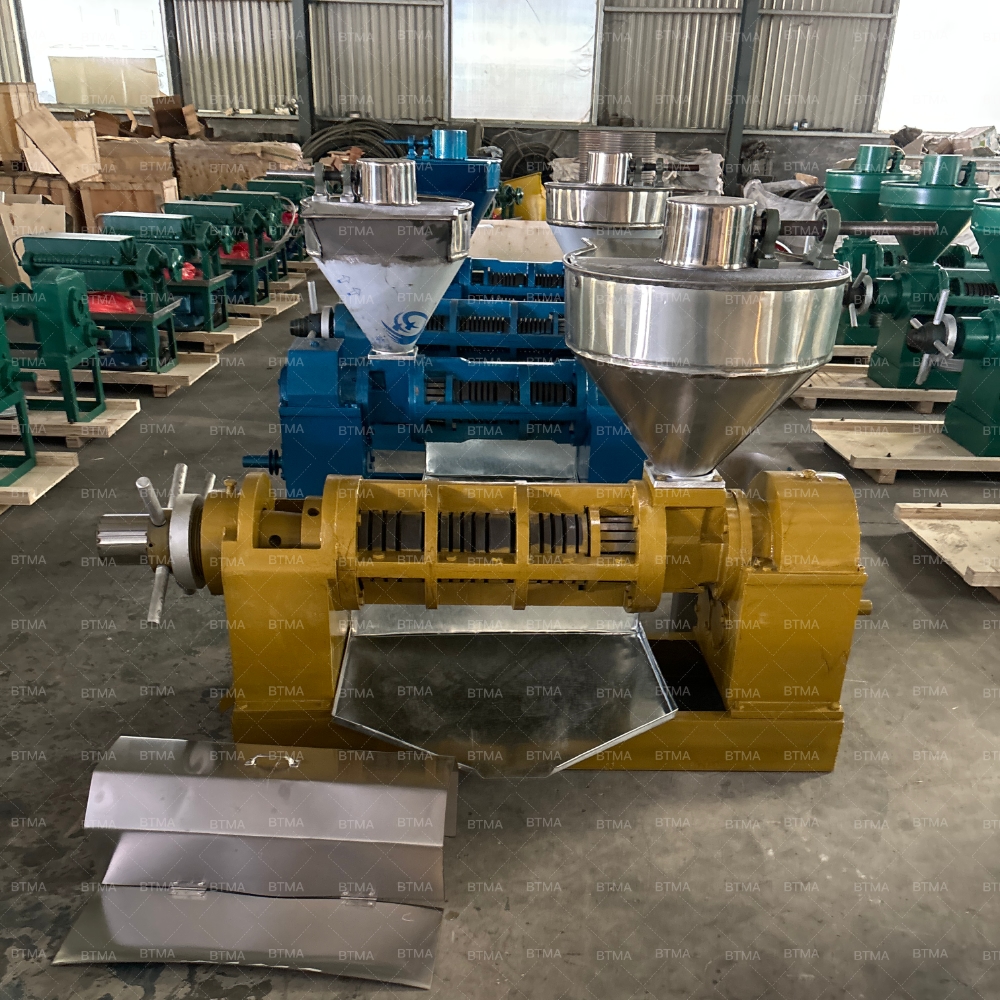
Starting an oil pressing business does not necessarily mean purchasing the largest machine available. For many small oil mills, the more important question is whether the machine capacity matches the daily supply of raw materials and the expected production volume. A 6YL-100 oil press machine is designed for medium-scale oilseed processing and is commonly used with materials such as soybeans, peanuts, sunflower seeds and rapeseed. The current product information lists a processing range of approximately 150–250 kg/h, with a 7.5 kW motor. This capacity can be suitable for businesses that want to process several hundred kilograms of oilseeds per day without immediately investing in a large industrial production line.
How to Calculate Daily Production Before Buying an Oil Press?
A simple capacity calculation can help determine whether a machine is suitable for a particular business. For example, if a machine processes 200 kg of oilseed per hour and operates for five effective hours per day, the theoretical daily throughput would be around 1,000 kg. Actual production can be lower because feeding, cleaning, adjustment, temperature control and routine maintenance all consume working time. For this reason, buyers should not plan their business using the maximum hourly capacity alone. A better approach is to estimate the available raw materials, expected working hours and realistic operating efficiency before deciding which oil press to purchase.
Why Oilseed Preparation Matters as Much as Machine Capacity
The performance of an oil press depends not only on the machine itself but also on the condition of the raw material. Oilseeds should normally be cleaned to remove stones, metal particles, soil and other impurities before entering the press. Depending on the seed, additional preparation such as shelling, crushing or moisture adjustment may also be required. Proper preparation can make feeding more stable and help the pressing chamber operate more consistently. If raw materials contain too much moisture, are poorly cleaned or vary greatly in size, the actual output may be different from the expected capacity. Therefore, oilseed preparation should be included in the production plan rather than treated as a separate issue.
Should You Run the 6YL-100 Oil Press Machine All Day?
For a small oil mill, running a machine continuously is not always the most efficient strategy. The daily operating schedule should depend on customer demand and the amount of raw material available. A business processing 500 kg of oilseeds per day does not necessarily need to operate for a full eight-hour shift. Shorter working periods may leave time for cleaning, filtration, packaging and equipment inspection. On the other hand, if the business has a stable supply of more than one ton of oilseeds per day, a longer operating schedule or a higher-capacity machine may be more appropriate. Capacity should therefore be considered together with the complete production workflow.
What Other Equipment Does a Small Oil Mill Need?
An oil press is only one part of a practical oil production operation. Depending on the type of oilseed and the final product requirements, a small workshop may also need cleaning equipment, seed preparation equipment, oil tanks, filtration equipment and packaging equipment. Filtration is particularly important when the oil will be sold directly to customers because freshly pressed oil normally contains suspended particles that need to be removed. Planning these processes together can prevent the oil press from becoming a bottleneck while the downstream equipment is overloaded or underused.
When Is the 6YL-100 Oil Press Machine a Good Choice?
The 6YL-100 oil press machine is worth considering when a buyer has a relatively stable supply of oilseeds but does not yet need a large industrial-scale press. It can fit businesses serving local farmers, small food processors, agricultural cooperatives and small edible oil workshops. The key is not simply choosing a machine with a suitable number on the specification sheet, but matching its practical capacity with the amount of raw material that can be purchased every day. A correctly sized oil press can reduce unnecessary investment while leaving room for the business to develop.